Why your Solana browser wallet matters (and how to pick one without getting burned)
Whoa!
I’ve been messing with Solana browser wallets for years now.
Curiosity dragged me into Phantom and a handful of lesser-known extensions.
My instinct said they were mostly the same at first glance.
Initially I thought wallet choice was just skin-deep aesthetics, but then I realized deeper architectural differences like signature handling, transaction batching, and RPC failover matter a lot when you’re trading NFTs or interacting with DeFi protocols.
Really?
Users assume a browser extension is a tiny app, but it acts as a secure key manager and transaction signer.
That small UI sits between you and smart contracts, between clicking approve and sending real funds.
On one hand a good extension offers smooth approvals and meaningful warnings.
On the other hand a mediocre extension can leak metadata, over-request permissions, or obfuscate transaction details in ways that make it trivial to approve a malicious contract if you’re not paying attention.
Hmm…
When a prompt says “sign,” my gut sometimes wants to tap quickly to complete a trade.
Something about the rhythm of DeFi — fast prices, fleeting drops — pushes you to move fast.
Actually, wait—let me rephrase that: quick action is often necessary, though speed must never trump understanding.
So my approach evolved: I now train a tiny checklist into muscle memory, pausing to verify contract addresses, reading the approval scopes, and cross-checking with a block explorer when approvals look off, which has saved me from a couple of close calls.
Here’s the thing.
Look for clearly labeled permissions, nonce handling, and a visible account fingerprint.
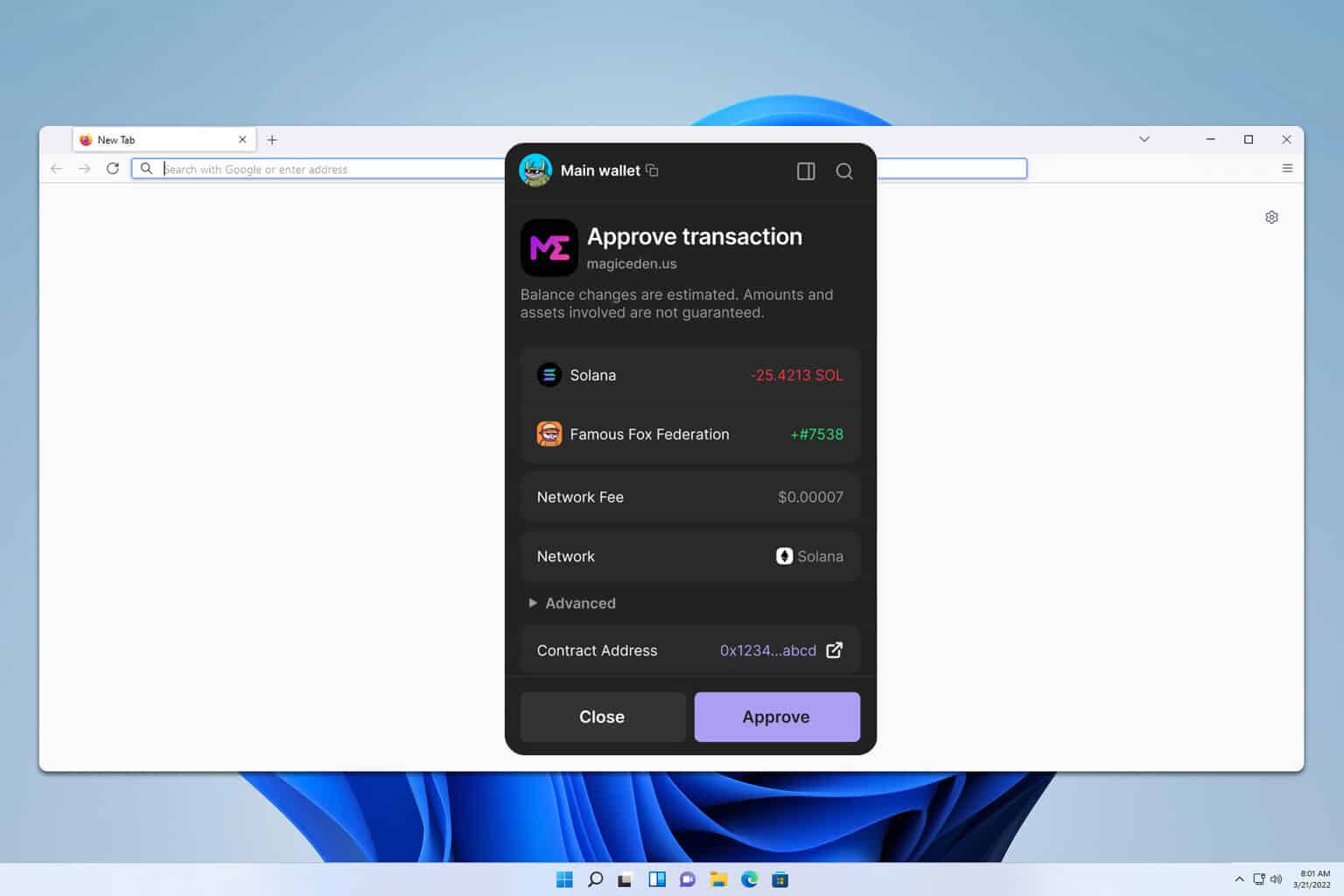
Good wallets show you the exact instruction count and the program IDs involved in a transaction.
This is especially true on Solana where one transaction can contain multiple instructions from different programs.
A wallet that surfaces that complexity instead of hiding it is more trustworthy, because it lets you see whether a transaction is just sending a token or also granting permanent transfer approval to a program you don’t recognize.
Whoa!
Seed phrases still matter, and keep them offline.
Write them down, store them in a safe, and never paste them into a browser field.
I’m biased, but hardware wallets are a night-and-day improvement for serious balances.
If you connect a Ledger or Trezor through a compatible Solana extension, signing happens on the device and the risk surface collapses because private keys never leave the secure element—though usability tradeoffs remain for many DeFi flows.
Seriously?
Phishing is getting craftier; UI clones and fake popups are common.
Extensions can be spoofed or the browser profile can be compromised.
One failed click is often all it takes to approve a draining transaction.
So train yourself to question every approval prompt, verify the dApp domain (oh, and by the way—open the contract in a block explorer separately), and consider using a disposable account for risky interactions.
Okay.
Solana fees are low, but low cost can produce rapid churn and more frequent confirmations.
The network’s speed sometimes masks backend failures, like RPC nodes dropping transactions.
If you see pending transactions piling up, switching RPC endpoints often helps.
Use wallets that allow custom RPC configurations or automatic fallback, because a stubborn stuck transaction can block your funds or mess with sequence numbers when interacting with time-sensitive DeFi markets.
Wow!
DeFi requires careful attention to token approvals and program-level permissions.
SPL tokens and wrapped versions can be confusing at first glance.
Always confirm the token mint address when accepting or adding liquidity.
A wallet that displays mint addresses, decimal precision, and whether a token is verified on marketplaces gives you a big advantage compared to one that only shows a human-readable label which could be spoofed.
Install and trust: my practical pick
Here’s the thing.
If you want a practical, battle-tested extension that balances UX and security, consider phantom.
I’ve used it for NFT drops, staking, and swapping on Solana and it handled edge cases well.
Download from a trusted source and double-check the extension ID when installing.
Always verify the URL and make sure you’re not installing a clone from an unknown developer, because scammers love to capitalize on rushy installs during drops or yield hunts.
Hmm…
I started this with curiosity and a little skepticism.
Now I’m cautiously optimistic about where Solana wallets are heading.
There are still gaps, like better UX for hardware integrations and clearer permission language across dApps.
I don’t have all the answers—and I’m not 100% sure about how layer upgrades will change extension responsibilities—but I’ll keep testing, and you should too, starting small, staying skeptical, and building good habits that protect your crypto while you explore the ecosystem.
Frequently asked questions
How do I reduce risk when using a browser wallet?
Whoa!
Use a hardware wallet for large balances and a disposable account for risky dApps.
Limit token approvals, verify mint addresses, and check RPC endpoints if things look stuck.
Back up your seed phrase offline and never share it, and consider browser profiles or separate browsers to isolate your primary account from experimental activity.
Somethin’ as simple as pausing before every “sign” can prevent a lot of very very expensive mistakes.