Why I Check a Solana Explorer Every Morning (And Why You Might Too)
Here’s the thing. I wake up and open a blockchain explorer before my coffee. It sounds nerdy, I know. But watching Solana’s ledger move in near real time gives this weird calm—like watching a city skyline flicker to life. Initially I thought that was just curiosity; then I realized it was pattern recognition, and yeah, a little bit of FOMO too.
Wow! The first thing I look for is confirmation of finality. My instinct said the network looked smooth, but numbers tell the story. On some days the TPS and slot progression are silky; on others there are stalls and retries that make you squint. I’m biased toward metrics that show validator health, vote skips, and recent fees. Actually, wait—let me rephrase that: I care about the whole picture, though validator behavior still bugs me.
Really? The next check is token activity. A lot of people only glance at price feeds, but a good explorer shows token mints, burn events, and unusual transfers. Medium-sized projects can do somethin’ weird overnight, and you’ll catch it in the trace long before surface-level trackers pick it up. On one occasion a memecoin had a silent minting script that looked fine until I followed the call stack—yeah, surprise alert.
Whoa! I like digging into transaction internals. You can see compute units, instruction counts, and programs invoked per tx. That raw telemetry tells you whether a dApp is being efficient or wasting compute like a leaky faucet. On one hand high compute usage can mean complex logic; on the other it can mean gas-heavy inefficiency that will bite users later. Hmm… there’s a balance between optimism and skeptical reading of those traces.
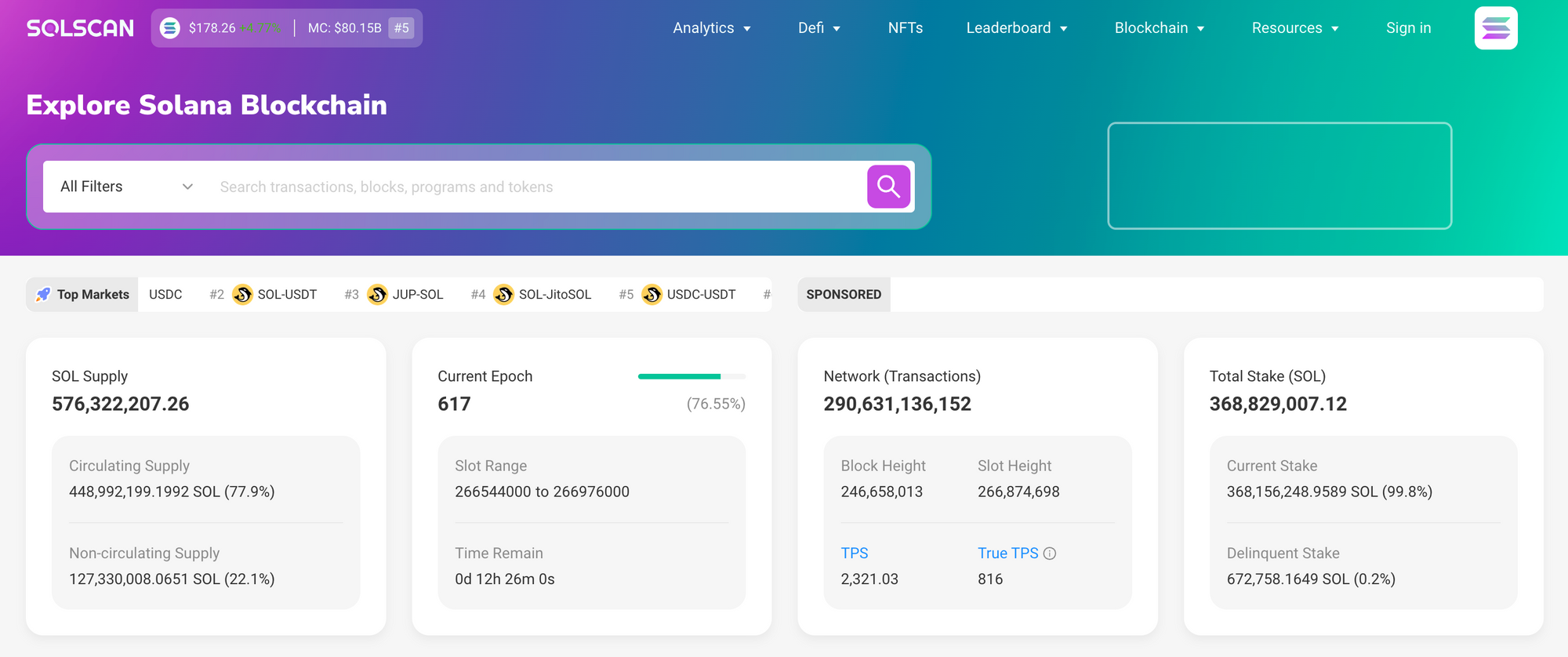
How a Solana explorer actually helps (from a practical lens)
Okay, so check this out—an explorer isn’t just a block scanner. It surfaces RPC latency, shows which validators have recent votes, and gives historical confirmations that help auditors. My first impression was that explorers were mere UI conveniences; however, using them daily changed my operations and risk model. For example, seeing repeated vote skips from a cluster of validators once predicted a transient outage before official alerts arrived. That early signal saved a set of trades and a few headaches.
Seriously? When you examine logs and inner instructions, you learn which on-chain programs are interacting most with your assets. That’s helpful for debugging wallet issues and for forensics after odd transfers. On-chain analytics also power alerts—you can set thresholds for unusual token flows and get ahead of rug pulls. I’m not 100% sure alerts catch everything, but they tilt probabilities in your favor.
Here’s the thing. If you’re building on Solana, you need to check program performance regularly. Initially I thought one RPC node was enough; then performance diverged across nodes and we had to reconfigure load balancing. On top of that, exploring historical blocks taught us about recurring congestion patterns tied to particular NFT drops and bot behaviors—insights that improved our rate-limiting strategies and monitoring.
Wow! For end users, explorers help verify receipts and provenance. Want to confirm that an NFT mint actually happened? Want to ensure a contract call included the right instruction? The explorer shows stack traces and logs so you don’t rely on screenshots or third-party claims. That kind of transparency is the whole point of the chain, right?
Here’s the practical bit: use a reputable tool that surfaces both high-level and low-level views. I lean on explorers that balance UX with deep telemetry, and one I often recommend is the solscan explorer because it puts traces, token histories, and validator maps within easy reach. It’s not perfect—no single tool is—but it’s incredibly handy when you need to pivot fast during incidents.
Hmm… a short aside: wallets sometimes mask subtle failures. If a wallet shows a “success” but the explorer shows partial logs or missing instructions, that’s a red flag. I once chased a phantom transfer for an afternoon until the explorer revealed an inner program reverted while the top-level instruction returned success. That was a head-scratcher.
Wow! For dev teams, explorers are also testing allies. You can instrument pre-production flows against a testnet and mirror the same checks you’d run on mainnet. That practice reduced our post-deploy debugging considerably. On the other hand, testnet behavior can be misleadingly stable or chaotic, so take that with a grain of salt.
Actually, wait—let me rephrase that: explorers help in debugging, but they don’t replace good observability pipelines. Use them alongside logs, APMs, and alerting. You’ll get a fuller, more resilient picture that way. And yes, I still sometimes get distracted by new memecoin mints when I should be doing actual work… very very human, right?
FAQ
What’s the single best use of a Solana explorer?
Trust verification and investigation. When something odd happens, an explorer is the first stop to see raw txs, program logs, and token movements. It helps you confirm what happened without relying on intermediaries.
Which metrics should I watch daily?
Monitor slot progression, vote skips, median confirmation time, recent fee patterns, and program-specific compute usage. Together these give you a sense of network health and potential pain points.
Can explorers protect me from scams?
Partially. They expose transaction provenance and contract interactions, which helps identify suspicious behavior quickly. They’re a detective’s tool, not a guard dog—so combine them with good operational security.